

The 29th Eurasian Economic Summit Concluded with Great Success
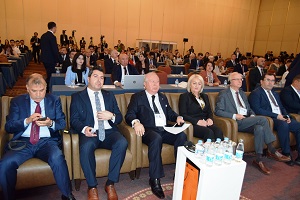
The 29th Eurasian Economic Summit, which commenced with messages from the President of the Republic of Türkiye, Recep Tayyip Erdoğan, the President of Uzbekistan, Shavkat Mirziyoyev, and Türkiye’s Nobel Laureate scientist Aziz Sancar, brought together participants from forty-eight countries.The Eurasian Economic Summits Illuminate the World with the Understanding that “They Are Free Platforms”
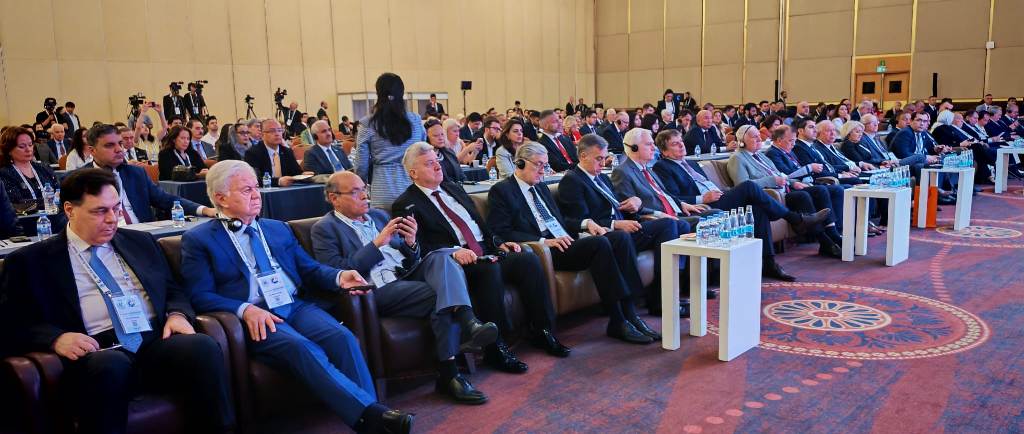
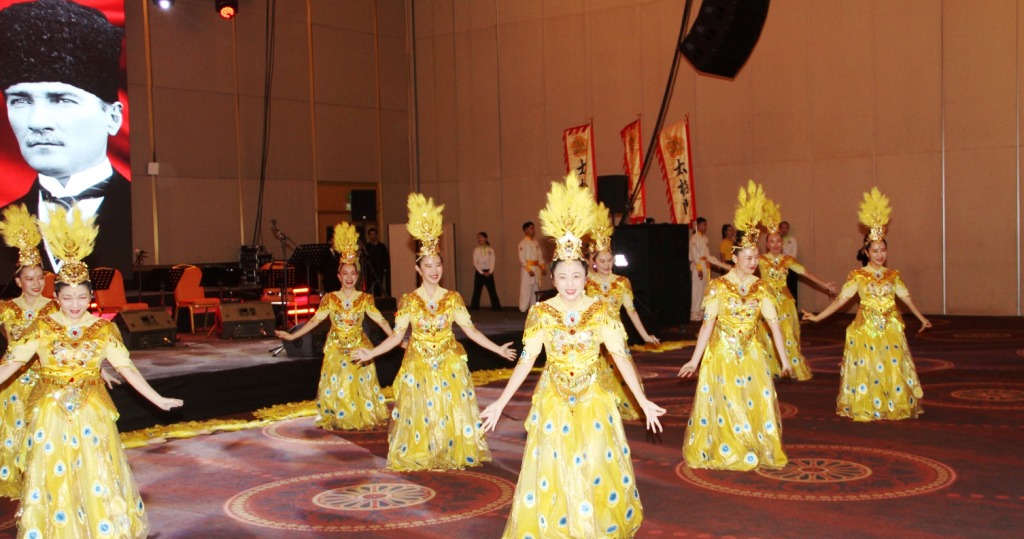
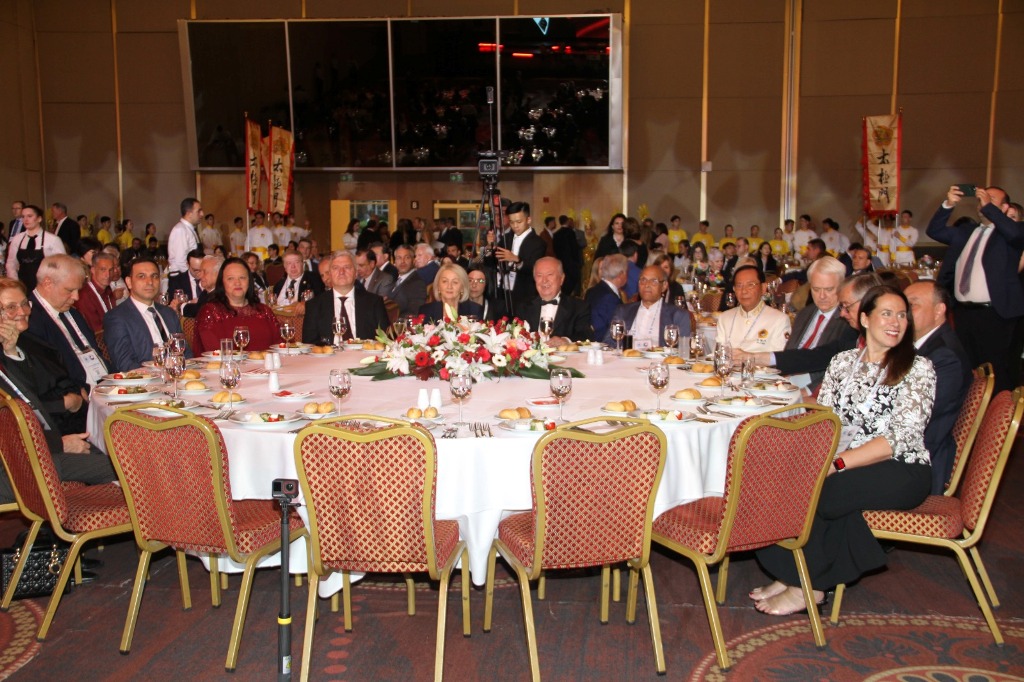
Organized by the Marmara Group Foundation, the 29th Eurasian Economic Summit opened with a magnificent ceremony on 11–12 May 2026 at the WOW Istanbul Hotel & Convention Center. Held under the main theme of “Global Responsibility,” the summit gathered heads of state and government, ministers, ambassadors, Nobel Prize-winning scientists, and civil society leaders from around the world.
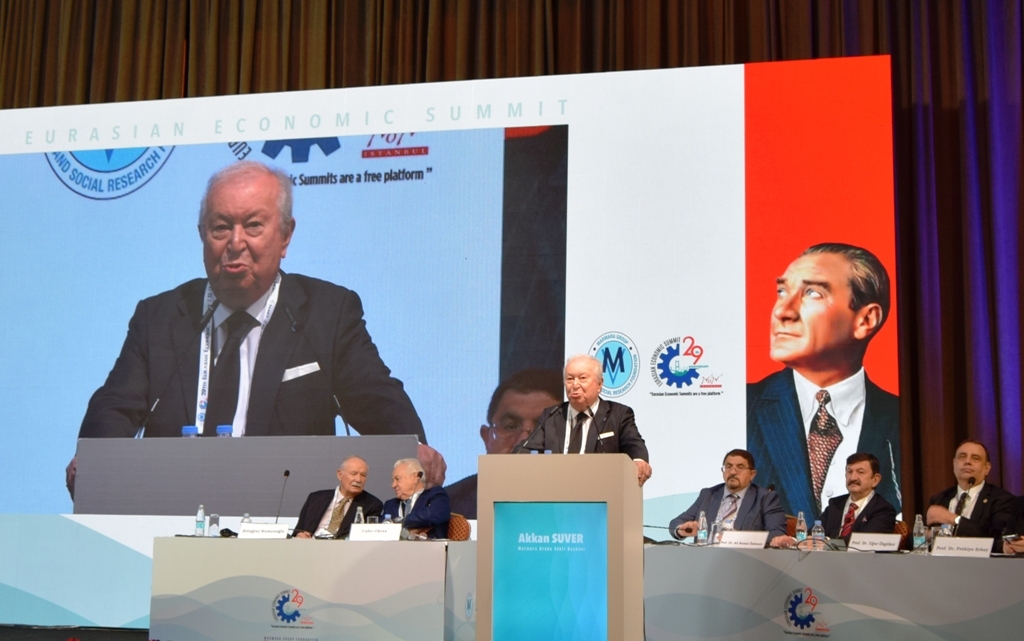
Delivering the opening address, Marmara Group Foundation President Dr. Akkan Suver left a strong impression on the audience with his visionary leadership, widely respected on a global scale. In his speech, Dr. Suver emphasized that the Eurasian Economic Summits are not merely diplomatic gatherings, but also “a common platform of global wisdom and conscience.”
The Importance of the Summit: A Call for Common Wisdom in the Face of Global Crises
In his opening remarks, Dr. Akkan Suver drew attention to the uncertainties facing the world today, stressing the importance of diplomacy and collective wisdom in addressing conflicts in the Middle East, the war in Ukraine, instability in Africa, and global economic crises. Suver stated:
“The United Nations is unable to reach a common understanding. The international community urgently needs a clear and decisive vision. Even if our interests differ, we must unite around a shared conscience.”Distinguished Participants and Honor MedalsFollowing a moment of silence and the Turkish National Anthem, protocol messages were read during the opening ceremony. The messages of President Recep Tayyip Erdoğan, President Shavkat Mirziyoyev, and Nobel Laureate Prof. Dr. Aziz Sancar were received with great appreciation.
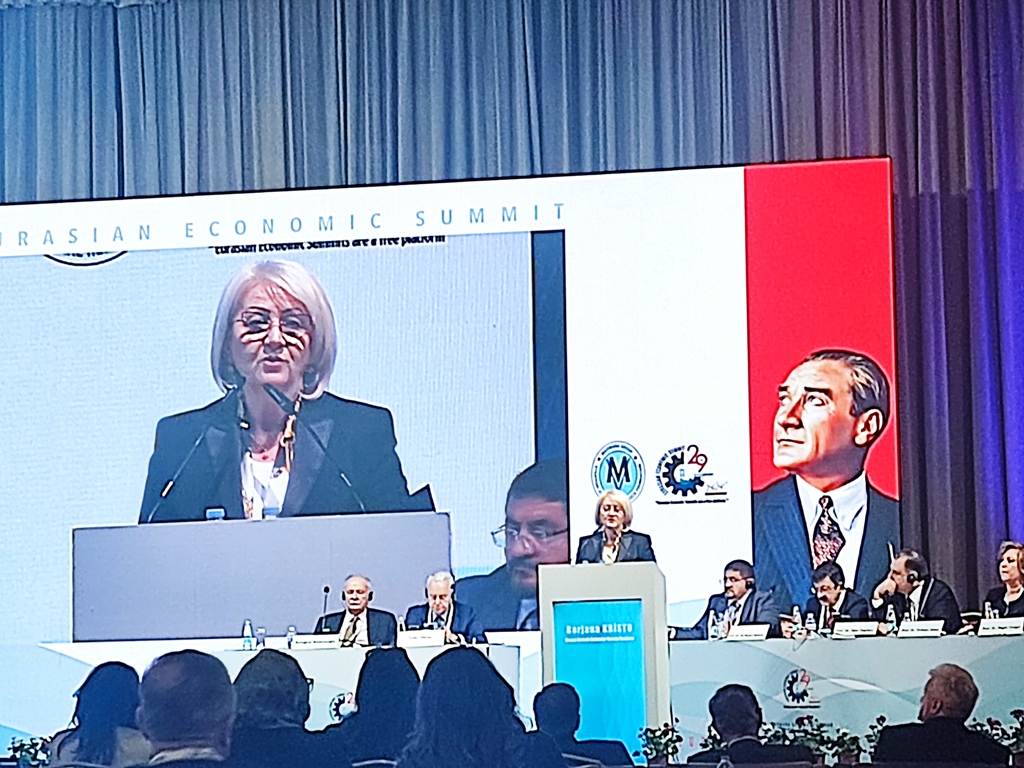
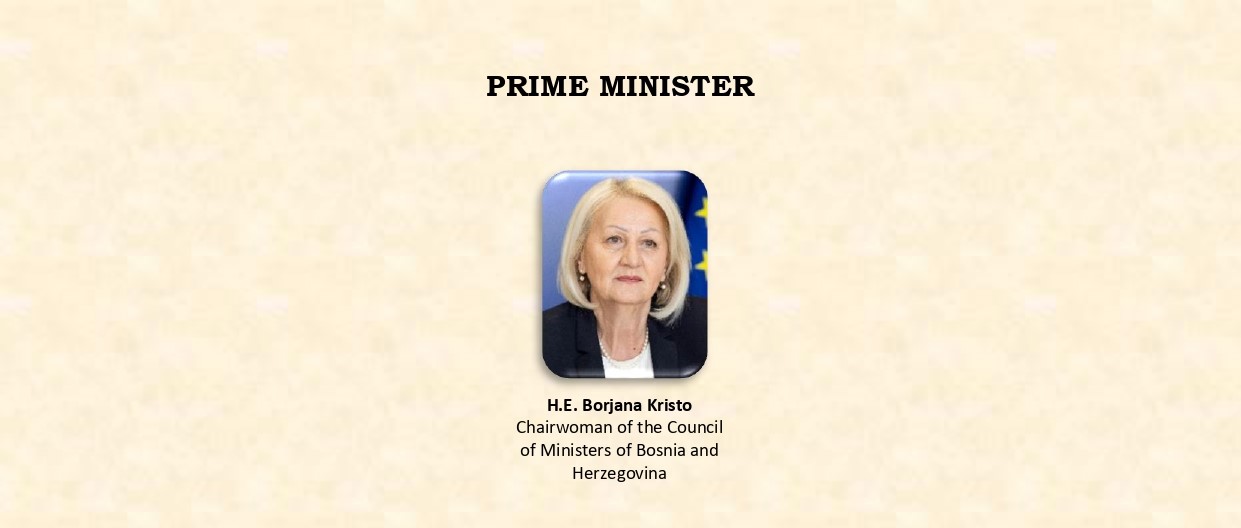
Among the keynote speakers were the Vice Chairman of the Turkish Exporters Assembly, the Secretary General of the Organization of Turkic States Ambassador Kubanıchbek Omuraliev, the First Deputy Secretary General of the Black Sea Economic Cooperation Organization Assoc. Prof. Merve Safa Kavakcı, and the Secretary General of the D-8 Organization for Economic Cooperation Ambassador Sohail Mahmoud. Speaking on behalf of the international guests, Chairwoman of the Council of Ministers of Bosnia and Herzegovina Borjana Krišto also emphasized the significance of the summit.
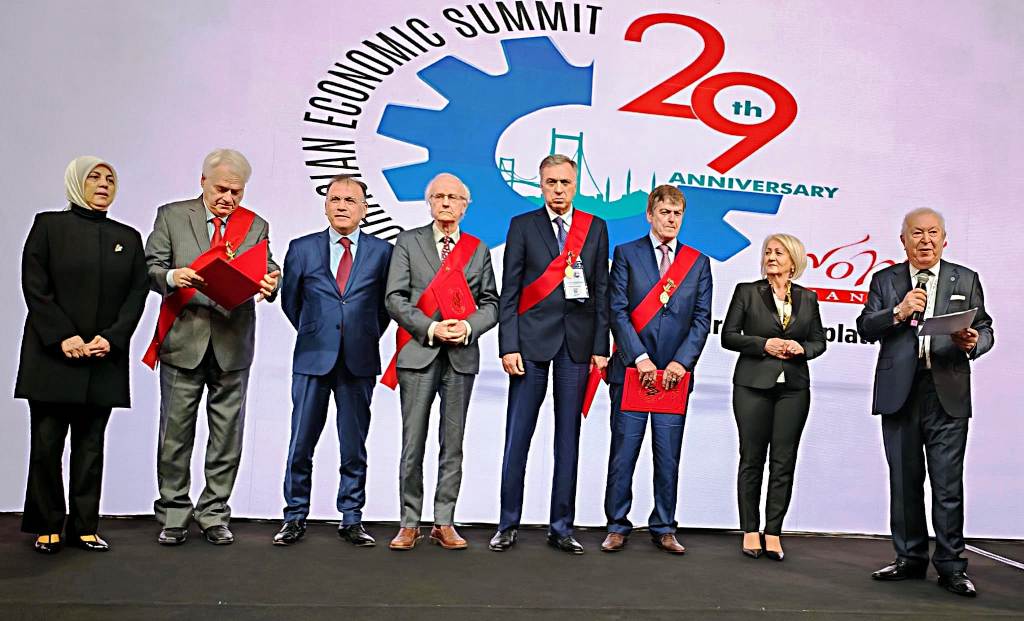
This year, the Marmara Group Foundation presented Honor Medals to six distinguished personalities. The recipients included President of the Azerbaijan Atatürk Center Nizami Caferov, former Austrian Minister of Defense Werner Fasslabend, former President of Croatia Ivo Josipović, former Polish Minister of Finance Grzegorz W. Kołodko, former President of Albania Bamir Topi, and former President of Montenegro Filip Vujanović.
.jpg)
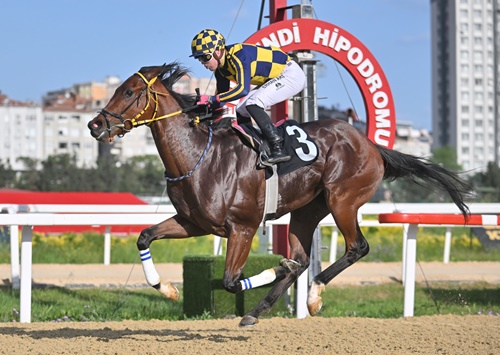
Victory Goes to Desructor in the Eurasian Economic Summits Race
The Eurasian Economic Summits Race (Handicap 15/H1), held on Wednesday, 13 May at the Veliefendi Racecourse, brought together thoroughbred horses aged three and above in an exciting competition.
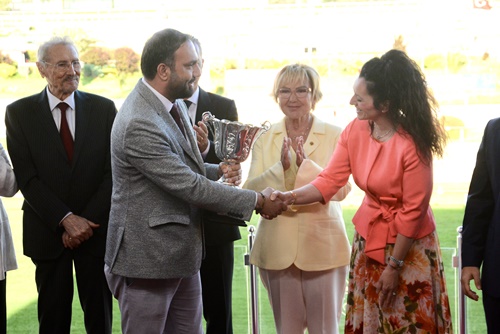
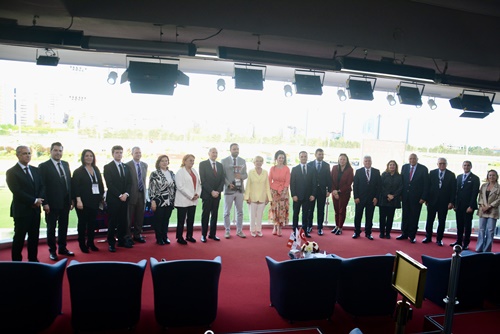
At the award ceremony following the race, the trophy was presented to the owner of the winning horse, Ferit Salih Bayır, by United Kingdom Member of Parliament Tasmina Ahmed-Sheikh and Marmara Group Foundation Board of Trustees Member Osman Arıkan.
Among those attending the ceremony were former President of North Macedonia Gjorge Ivanov, former President of Romania Emil Constantinescu, former Minister of Foreign Affairs of Egypt Sameh Hassan Shoukry, the Club’s Secretary General Gülnur Gülerce, Board Member M. Kerem Alkan, Vice President of the Stirling Foundation Nicole Marie Stirling, Stirling Foundation members Matthew Cavin Meadows and Cavin Edwin Meadows, ICCERT Group General Manager Mustafa Ergin, along with numerous distinguished guests.
.jpg)
.jpg)
.jpg)
.jpg)
.jpg)
.jpg)
.jpg)
.jpg)
.jpg)
.jpg)
.jpg)
.jpg)
GLOBAL RESPONSIBILITY
MAY 11-12-13, 2026-ISTANBUL
The Post-War World with War, Terrorism, Conflict, and Involuntary Migration
LIFE ON A PLANET WITHOUT WATER AND GREENERY
New Power Balances and the Pursuit of a Shared Future
Dialogue for the Water and the Green of Our Planet
We are going through difficult and challenging times
Threats of war!
Interstate disputes!
The New World Order in the Shadow of Crises: Security and Democracy
The continuous depletion of water on our planet with each passing day!
The green giving way to yellow!
The sound of approaching poverty being heard!
And, alongside all of this, the growing yearning of people for migration!
In order to seek ways to cope with these challenges and to contribute, even modestly, to the voices that are rising, we will come together at the 29th Eurasian Economic Summit.
SOCIAL IMPACTS ─ RISKS ─ PURSUIT OF SOLUTIONS
Wars, terrorism, conflicts, and forced migration!
The world today stands within a ring of fire. As the Russia–Ukraine war continues, the Israel–Palestine conflict and subsequent tensions involving Iran and the United States, Iran and Israel, and Iran and the Gulf countries have increasingly surrounded us. While tensions between Pakistan and Afghanistan persist, rising instability can also be observed in Latin America.
The 29th Eurasian Economic Summit aims not merely to assess ongoing crises, but also to generate new perspectives for strengthening peace, economic cooperation, democratic values, and social inclusion in the post-war world. The meeting in Istanbul will provide an important platform for dialogue, bringing together participants from different continents to better understand the evolving global order and to shape a vision for a more just, balanced, and inclusive future.
Within the framework of the Summit, topics such as energy geopolitics, global economic fragilities, the transformation of the security architecture, the resilience of democratic institutions, and the role of women in peace and diplomacy will also be discussed. The restructuring of global energy markets, the growing importance of alternative trade corridors, and the strategic position of Eurasia will stand at the heart of the debates.
Furthermore, another critical threat facing our planet is the depletion of water and the disappearance of green spaces!
On May 11–13, 2026, at the 29th Eurasian Economic Summit, we will issue a call for dialogue for our planet’s need for
water and green.
Water Diplomacy,
The business world coming together under the light of Water and Green
The evaluation of Water and Green by the academic community
The role of Water and Green in religions
The importance of Water in energy
Dialogue for Water and Green
As the Marmara Group Foundation, during the 29th Eurasian Economic Summit that we will hold on 11–13 May 2026, we will focus on the theme of the swift depletion of water and greenery, at a time when our planet is undergoing one of the most silent yet profound crises of the 21st century. Unfortunately, this crisis has moved beyond being an issue limited to nature; today it stands as a sign of a major transformation affecting every field—from social life to economic policies, from public peace to the future of cities.
Over the past 50 years, more than 35% of wetlands on Earth have vanished, and millions of hectares of the planet’s forests have been lost under the pressures of agriculture, mining, and unregulated urbanization. In areas experiencing the heaviest deforestation, drought, migration, poverty, and social tensions have risen visibly. Societies formerly lived in step with the seasonal cycle now encounter water wars, food insecurity, involuntary migration, conflicts, and the social inequities caused by rapid urban growth.
This situation is not only an ecological warning; it is also a comprehensive crisis that threatens economic sustainability, weakens the social fabric, and directly affects the future of societies.
Therefore, at this critical turning point confronting our planet, we will bring together statesmen and politicians, academics, local administrators, business people, NGO representatives, and religious leaders at the 29th Eurasian Economic Summit.
Understanding Social Impacts:
Involuntary migration driven by the decline of water resources, economic pressures on at-risk populations, terrorism and disputes, rising living costs in urban areas, and environmental inequalities will be evaluated.
Seeing Real-World Examples:
Notable examples will be explored—from the impact of Brazil’s forest fires on transcontinental air quality to the social tensions emerging from the millions displaced by drought in the Middle East and Africa.
Collaborating for Solutions:
Scientific, data-based recommendations, water management models, green infrastructure implementations, city-scale resilience strategies, and community-led ecological initiatives will be developed together with participants.
1. To analyse the social, economic, and cultural effects of the loss of water and green spaces
2. To exchange examples of successful practices locally and globally
3. To develop applicable solution strategies for cities and rural areas
4. To establish a sustainable cooperation network among NGOs, public institutions, and academia
5. To form a common vision that strengthens the idea of a livable planet for future generations
We believe that the future of our planet must be addressed not by a small group of experts, but together with statesmen, political actors, academics, business leaders, and religious figures. Water, forests, and green areas are not only parts of nature; they are the foundations of social life, culture, and a life befitting human dignity.
For this reason, the 29th Eurasian Economic Summit, which we will hold on May 11, 12, and 13, 2026, is not simply an event; it is a strong meeting point for shared responsibility and collective pursuit of solutions.
Global Issue
DEMOCRACY, WOMEN, AND THE FUTURE OF PEACE
Periods of war and conflict generally create significant setbacks and ruptures in terms of women’s rights. Even the limited legal and social rights that existed before war are often pushed into the background as concerns about security and survival come to the forefront. During wartime, women face severe conditions such as forced migration, poverty, and violence, while also being compelled to assume the majority of care responsibilities. Despite undertaking critical roles in areas such as healthcare, humanitarian aid, production, and social solidarity, women are often insufficiently represented in post-war peacebuilding processes and at negotiation tables; this situation may lead to the re-limitation of women’s place in rights frameworks and decision-making mechanisms, despite the significant responsibilities they assume during wartime.
In a World Where Power Rewrites the Law:
WOMEN’S RIGHTS
As global power balances are being reshaped, legal norms are directly affected by this transformation. Although written agreements, constitutional guarantees, and international commitments formally remain in place, the implementation of law today has become increasingly selective, fragile, and politicized. In this process, women’s rights often emerge as one of the first areas to be weakened—particularly in times of crisis, heightened security concerns, and economic downturns.
For many years, the European Union has been regarded as a norm-setting actor in the field of women’s rights. However, both in Europe and across the Eurasian region, there is growing debate over how legally recognized rights of women are being eroded in practice, postponed, or relegated to the background due to cultural, economic, and political justifications. This panel is grounded in the understanding that women’s rights are not merely a matter of social policy, but a fundamental indicator of the legitimacy of law, the quality of democracy, and economic sustainability.
Within the framework of the panel to be held at the 29th Eurasian Economic Summit, the structural risks faced by women in this new era—where power increasingly redefines the law—will be examined. The widening gap between legal texts and social reality will be critically discussed. Moreover, by comparing European Union and Eurasian perspectives, the panel will explore what new instruments, political will, and international cooperation mechanisms are required to effectively protect women’s rights.
in the Light of Changing Global and Economic Values;
THE EUROPEAN UNION AT A CROSSROADS
Is Türkiye a waiting actor,
or an active strategic partner?
At a time when global power balances are rapidly shifting and economic rules are being rewritten, the European Union is undergoing a critical test between its founding principles and the harsh realities of the new world order. Geopolitical tensions, energy security concerns, the reconfiguration of supply chains, and intensifying technological competition are testing not only the EU’s economic resilience, but also its political and strategic capacity.
This session aims to examine the European Union’s position in the face of global transformation, addressing its strengths and vulnerabilities from a comprehensive and holistic perspective.
Within the framework of the 29th Eurasian Economic Summit, the discussion will focus on the tension between the European Union’s claim to be a “norm-setting power” and its pursuit of strategic autonomy, particularly in the context of the return of protectionism, the economic cost of the green transition, and dependencies in the field of security. In addition, the impact of political fragmentation and social transformation within the EU on decision-making processes will be assessed, placing Europe’s future role in global competition firmly on the agenda.
In this context, Türkiye–European Union relations, and especially the Customs Union, will be re-examined in light of changing global values. While discussing the limits of Türkiye’s economic integration with the EU, the asymmetries created by an outdated framework, and the need for alignment with the new global economy, the session will seek to answer a fundamental question:
Is Türkiye a waiting actor, or an active strategic partner in this evolving landscape?
Furthermore, possible future scenarios for the European Union in the new era will be opened for discussion.
Let us join together to create a roadmap that will protect both today and tomorrow.