11 May 2026
A Civil Diplomacy Brand on the International Stage: The 29th Eurasian Economic Summit
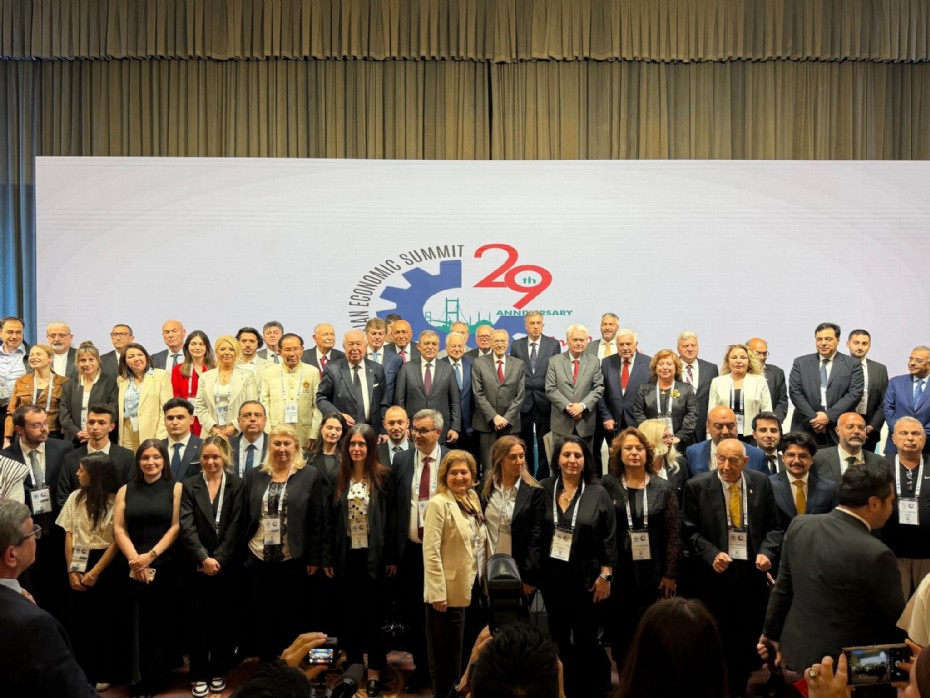
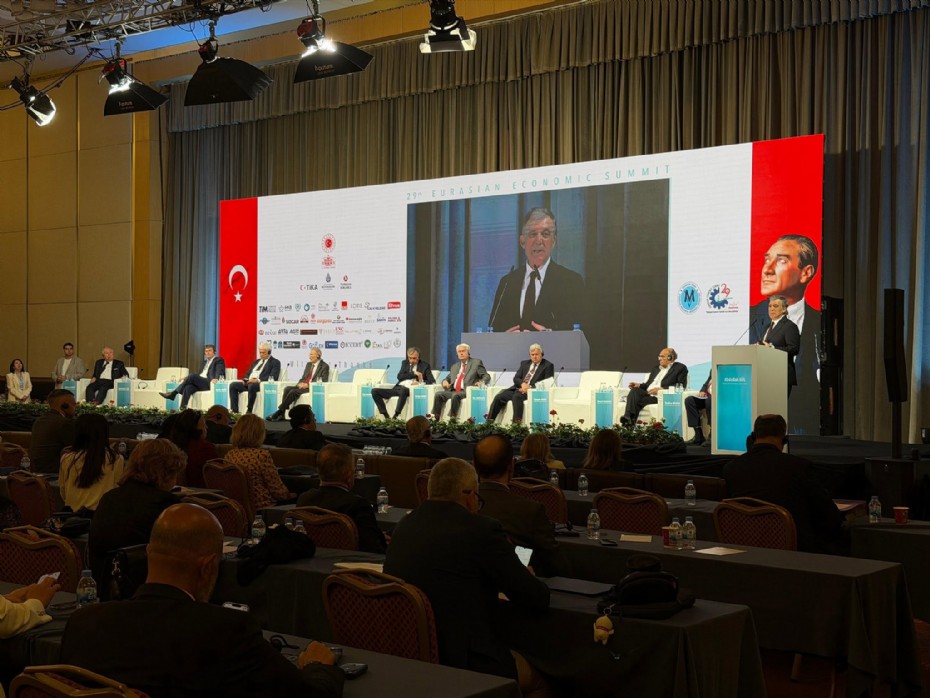
The 29th Eurasian Economic Summit, which has been organized uninterruptedly for more than a quarter of a century by the Marmara Group Foundation and has become one of the important meeting points of global diplomacy, was held on 11-13 May 2026 at the WOW Hotel in Istanbul. Organized under the main theme of "Global Responsibility", the Summit aimed to revitalize international cooperation and civil diplomacy at a time when the world is struggling with multiple and interconnected crises, often described as a "polycrisis". More than 300 high-level representatives from 48 different countries, including presidents, prime ministers, ministers, diplomats and academics, gathered for three days to seek common solutions to global challenges.
One of the most prominent issues on this year's agenda was the declining effectiveness of international law and the erosion of the "rules-based international order". The sessions addressed in particular the destructive effects of regional conflicts, migration flows and global power competition on international supply chains and macroeconomic stability. Participating statesmen emphasized the need to reform global institutions, especially the United Nations, and stressed that current crises can only be resolved through a multilateral approach to diplomacy. A shared conclusion of the Summit was that the global economy, overshadowed by wars and conflicts, cannot achieve sustainable growth without the establishment of lasting peace.
Another vital pillar of the event was the climate crisis, water management and environmental diplomacy. During special sessions held under the theme "The Importance of Water and Green", participants discussed the risks of drought triggered by global warming, disruptions in agricultural production and the possibility of future "water wars". It was argued that countries sharing transboundary water resources should move away from self-centered policies and adopt joint basin management approaches. In addition, the difficulties faced by developing countries in accessing finance during the transition from fossil fuels to green energy were examined from the perspectives of civil society and the business community.
Within the framework of economic cooperation, new trade routes and logistics hubs across Eurasia were also among the main areas of focus. Particular attention was given to the Middle Corridor and modern Silk Road projects, and their role in ensuring secure trade between East and West was analyzed. During the sessions on energy supply security, Türkiye's strategic role as a bridge in transporting energy resources from the Caucasus and Central Asia to European and global markets was once again highlighted. Investors and decision-makers also exchanged views on projects aimed at accelerating the integration of the digital economy and artificial intelligence into customs and logistics processes.
In the closing section of the Summit, the Marmara Group Foundation delegation, led by Dr. Akkan Suver, focused on a draft final declaration. The Summit was recorded as a successful example of civil diplomacy, demonstrating the importance of involving not only governments but also non-governmental organizations (NGOs) and opinion leaders in global decision-making mechanisms. By once again highlighting Istanbul's geopolitical importance, the 29th Eurasian Economic Summit, building on 29 years of experience and accumulated knowledge, added another strong contribution to a future Eurasian vision centered on peace and prosperity.