31 May 2018
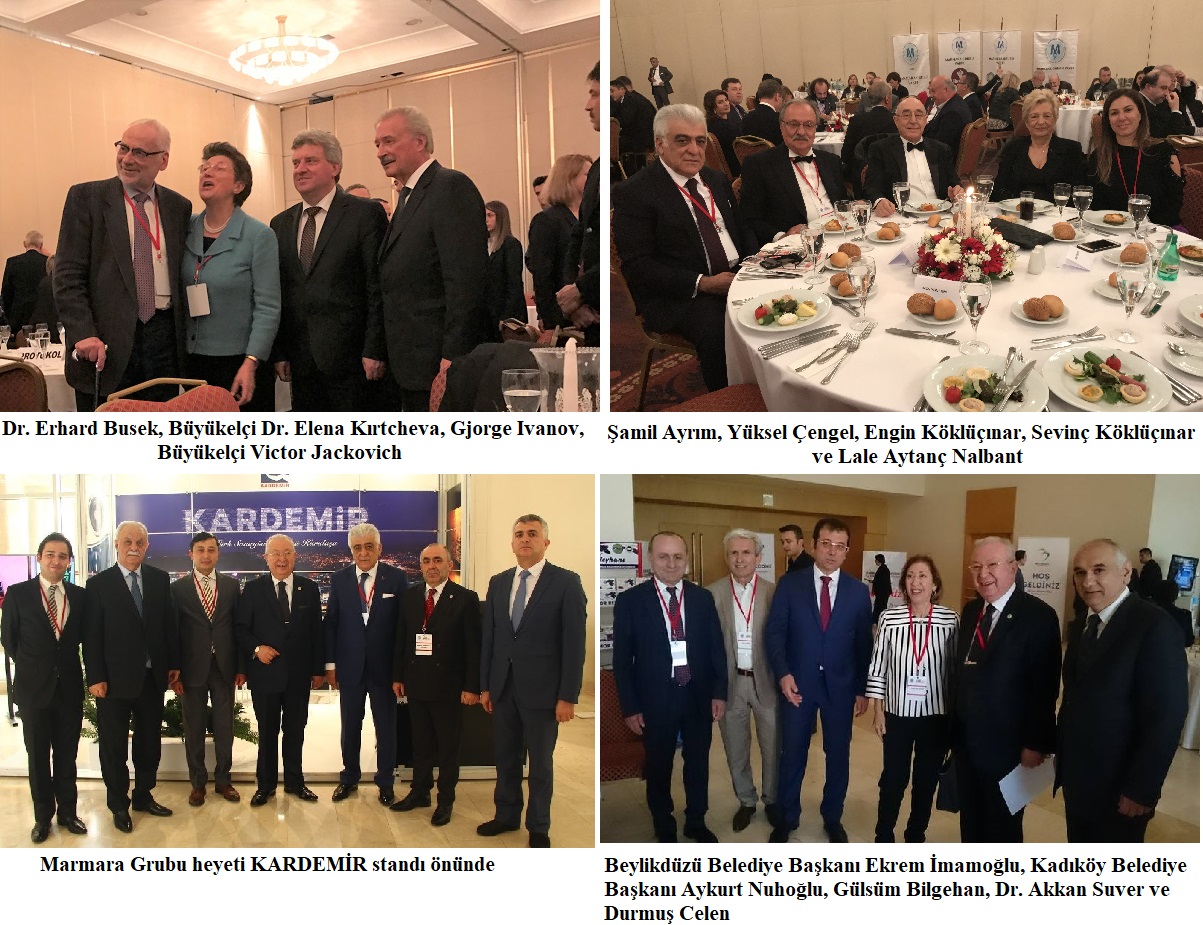
The 21st Eurasian Economic Summit was held on 11–12 April 2018 with the participation of representatives from 41 countries. Türkiye was represented at the highest level by Prime Minister Binali Yıldırım, Deputy Prime Minister Mehmet Şimşek and senior government officials. Presidents, former presidents, ministers, parliamentarians, academics, businesspeople, faith leaders and young participants met in Istanbul to discuss technology, politics, energy, the economy and the future of Eurasia.
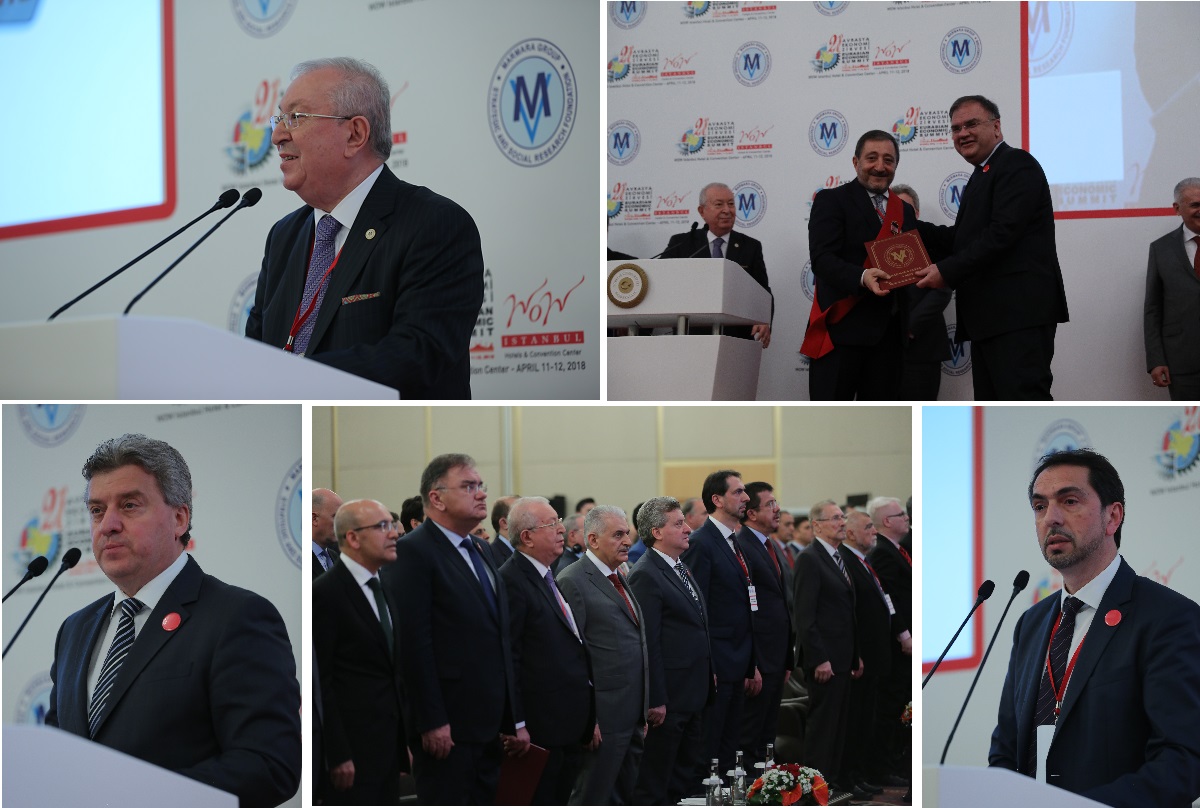
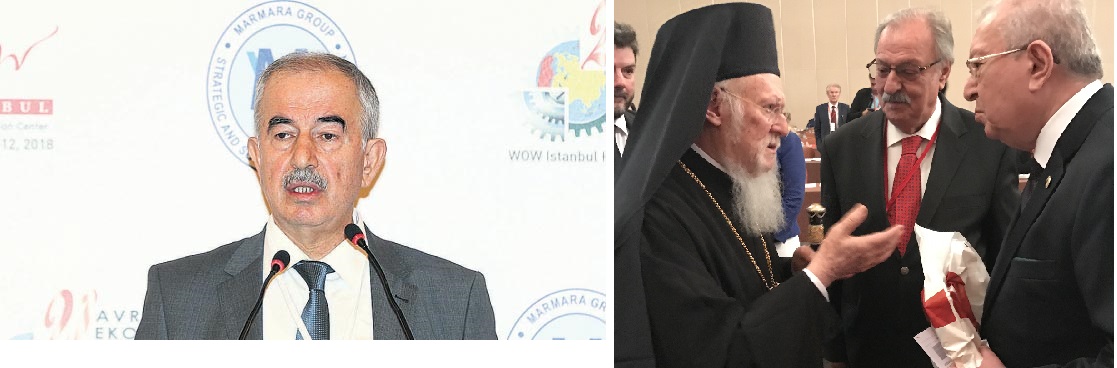
Opening the Summit, Marmara Group Foundation President Dr. Akkan Suver said that systems based on imagination, free thought, flexible working conditions and transparency would be the systems best able to endure. He described the Eurasian Economic Summit as an uninterrupted twenty-one-year civil society achievement and stressed that rapid technological change must be accompanied by political vision, ethical values and social inclusion.
Dr. Suver drew attention to the transformation of employment through artificial intelligence, robotics and nanotechnology. While these technologies were expected to eliminate millions of existing jobs, they would also create new professions requiring different skills. The Summit therefore placed education, adaptation and equality at the centre of its discussions.
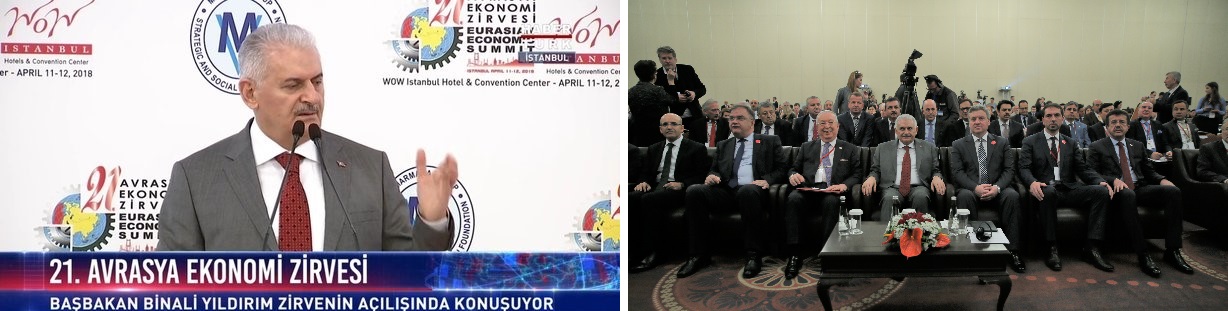
Member of the Presidency of Bosnia and Herzegovina Mladen Ivanić congratulated Türkiye on its economic achievements and spoke about the long process of restoring stability after war. President of North Macedonia Gjorge Ivanov emphasised the importance of leaders sharing their experience with future generations. President of the Federation of Bosnia and Herzegovina Marinko Čavara addressed the social and economic transformation created by artificial intelligence and biotechnology.
Prime Minister Binali Yıldırım congratulated the Marmara Group Foundation on organising the Summit. In his address he discussed inflation, interest rates, exchange-rate developments, tourism and the global threat of terrorism. He described Eurasia as one of the historic centres of humanity and underlined Türkiye's responsibility to support peace, development and stability throughout the region.
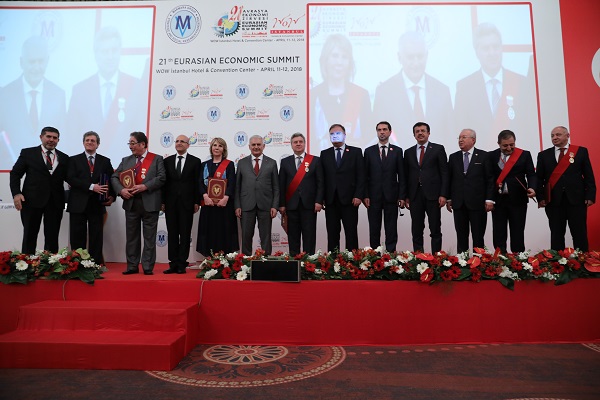
Members who had completed ten years of service to the Foundation received medals of honour. A civil society cooperation protocol was also signed between the Marmara Group Foundation and Uzbekistan's Institute for Strategic and Regional Studies.
The Dilemma of Our Age: Technology and Politics—Energy and the Economy
Sessions examined the relationship between technological development and political decision-making, new energy models, changing labour markets and the economic consequences of digital transformation. International speakers shared national experiences and proposals for managing innovation while protecting social cohesion.
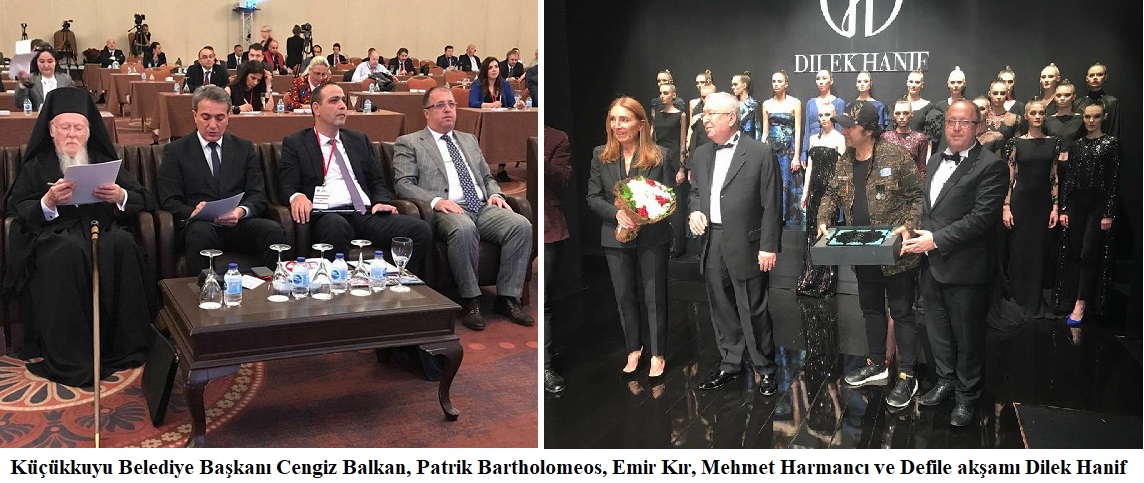
Mayors' Session: Smart Cities
Mayors from Türkiye and abroad discussed smart cities, local government, environmental responsibility, digital public services and ways of improving urban quality of life through technology.
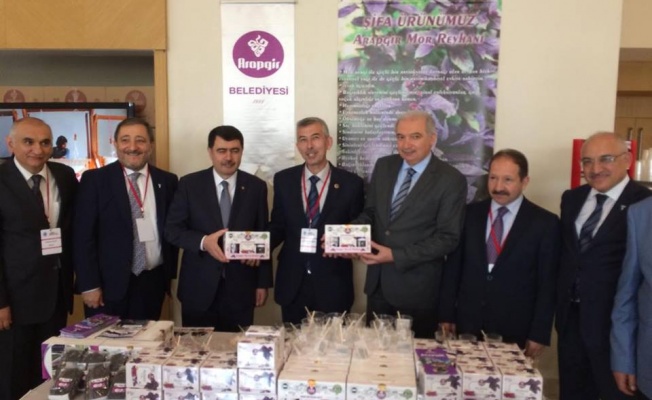
Academics, Politicians, Faith Leaders and Young People: The Future Is Coming
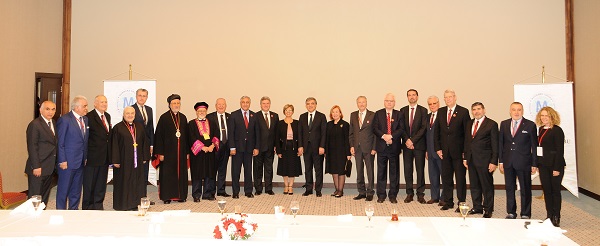
The interactive session opened with remarks by Prof. Dr. Ali Bardakoğlu and continued with contributions from Ecumenical Patriarch Bartholomew, faith leaders, politicians and academics. Speakers stressed the need to interpret religious traditions through compassion, reject extremism and build a culture of peace and coexistence together with young people.
The Effects of Digital Transformation on a Culture of Equality
The “Women Who Break the Mould” workshop, led by Müjgan Suver and moderated by prominent journalists, considered women's access to information and communication technologies. Meral Akıncı stressed that women have the right not only to benefit from technology but also to create innovations and solutions themselves. Participants discussed the digital gender gap, online violence, education and the role of women in leadership.
Presidents' Session: Technology and Politics
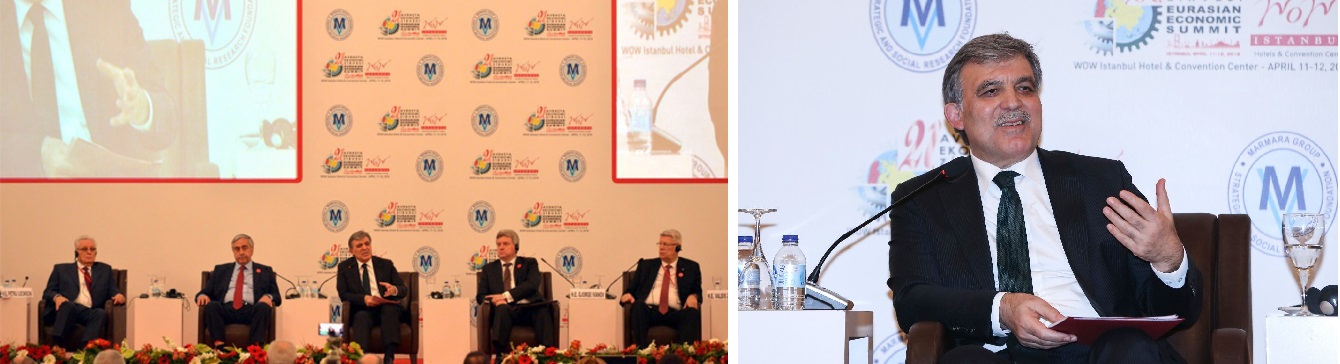
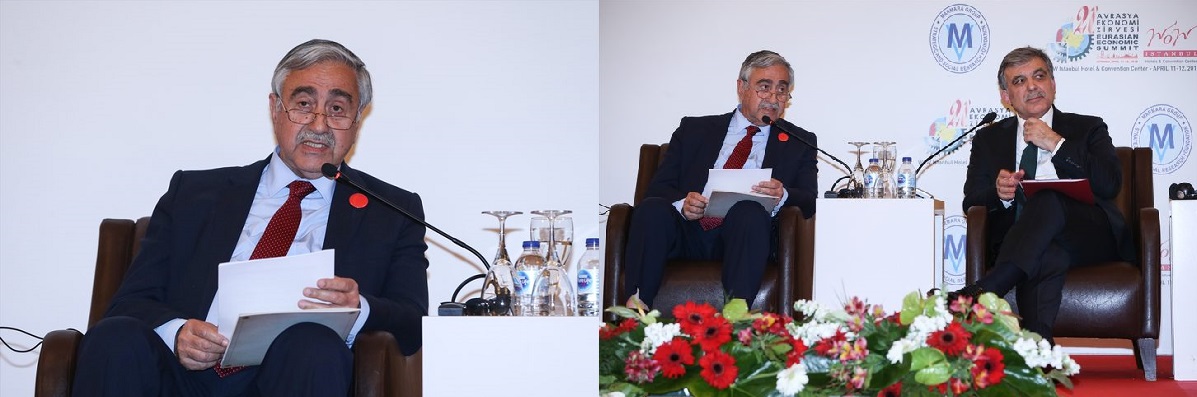
Moderated by Dr. Akkan Suver, the presidents' session brought together current and former heads of state. The discussions focused on how the information age transforms democracy, cooperation and governance. President Mustafa Akıncı highlighted the opportunities technology could create for cooperation in Cyprus and the Eastern Mediterranean, while warning that narrow political approaches continued to obstruct practical solutions.
Dr. Akkan Suver also read a message from Nobel laureate Prof. Dr. Aziz Sancar. Sancar praised the Summit as an international civil society initiative serving economic development, peace and equality. He called for scientific education, hard work, self-confidence and tolerance, and said that he would be prepared to return all his awards, including the Nobel Prize, if that could bring peace to his country. His message concluded with Atatürk's principle: “Peace at home, peace in the world.”
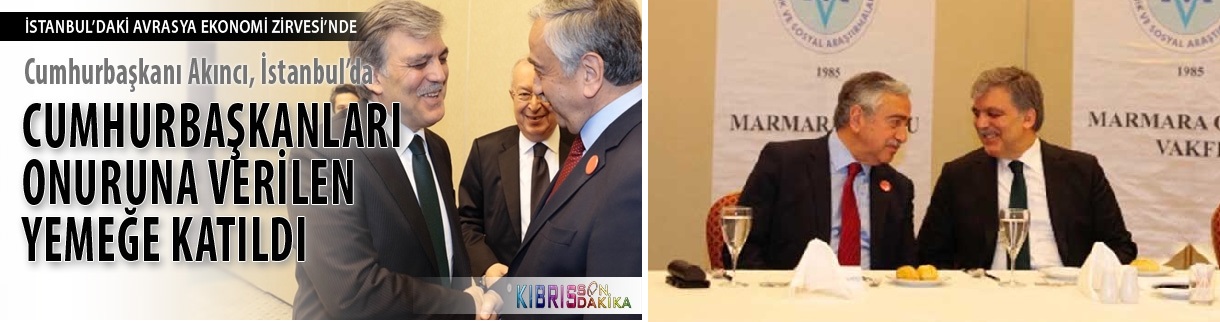
Türkiye's 11th President Abdullah Gül delivered the closing address. He examined the relationship between technology and politics, the transparency created by information technologies, widening inequalities in income distribution and the responsibility of governments to prepare younger generations for a rapidly changing world. He warned that the loss of trust and international cooperation could deepen conflict, and called for technology to be governed in the service of peace and human welfare.